Build
Whole house renovations, run by one contractor
A full renovation is six or seven trades working in a specific order in the same building, and our job is the sequence, so nobody undoes work that is already done and the project finishes.
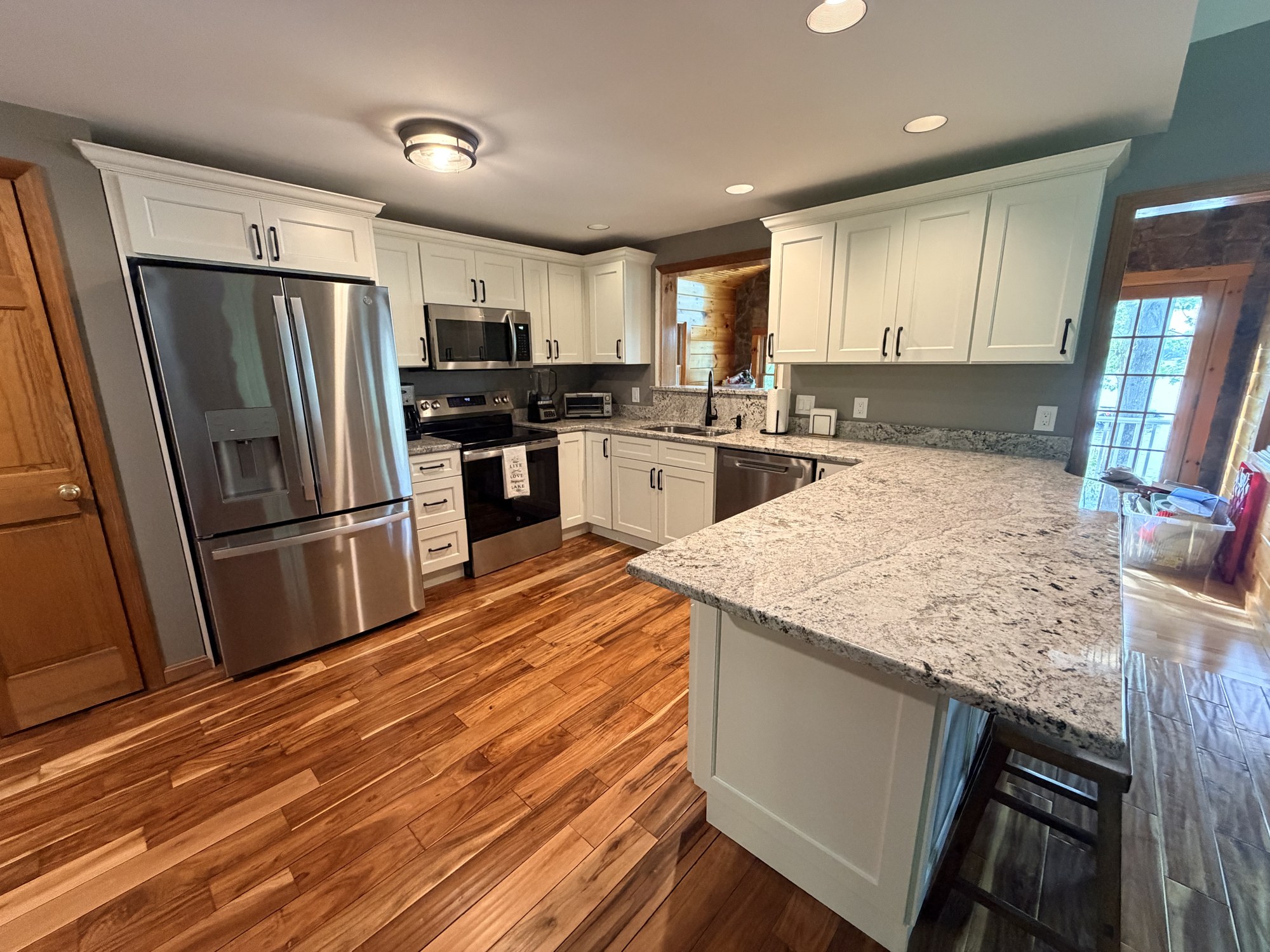
- Whole-house and multi-room renovations across the Seacoast
- One point of contact, one schedule, one contract
- Older-home work: plaster, knob-and-tube, undersized panels
- Electrical, plumbing, HVAC, insulation and drywall in scope
- Phased so most families can stay in the house
What a whole-house renovation involves
A refresh is paint, flooring, fixtures and maybe a kitchen, cosmetic work over systems that stay as they are. A renovation goes past the drywall: walls move, the electrical service gets upgraded, plumbing gets re-run, insulation gets addressed, and the house often gets structural work it has needed for decades.
The scope on a full renovation usually reads: demolition and disposal, framing changes and structural repair, a new or upgraded electrical service, plumbing, heating and cooling, insulation and air sealing, drywall or plaster repair, then flooring, tile, cabinets, countertops, trim, paint and fixtures. Every trade on that list runs under one contract, and the licensed specialty trades, electrical, plumbing and HVAC, are coordinated by us rather than parceled out to you.
Sequence is the product
The general order is demolition, then structural, then rough mechanicals in the order of who is hardest to move: ductwork first because it is biggest, then drain and vent plumbing because it needs slope, then supply lines, then electrical because wire bends around everything. Rough electrical, plumbing, mechanical and insulation all pass inspection before a single sheet of drywall goes up, because after drywall the fix means cutting open new walls.
The small dependencies cause most renovation misery: the tile setter needs the finished floor height in the next room before setting a shower curb, the electrician needs cabinet elevations before locating under-cabinet outlets, and countertops cannot be templated until the cabinets are set and level. When one company holds all of it, those conversations happen in a truck at 7am instead of as an argument in your kitchen three weeks too late.
- Demolition, disposal and containment
- Structural repair and framing changes
- Mechanical rough-in: HVAC, then drain and vent, then supply, then electrical
- Insulation, air sealing and the rough inspection gate
- Drywall, prime, trim, paint
- Flooring, cabinets, countertop template and install, tile
- Fixtures, appliances, final inspection, punch list
Older Seacoast houses, and the money
Pre-1960 housing stock in Dover, Portsmouth, Somersworth and Rochester hides predictable things: knob-and-tube wiring that cannot legally be buried in insulation, 60 or 100 amp fuse panels, galvanized supply lines corroded to a pencil-width opening, plaster with failed keys, and diagonal board subfloors that need an underlayment or uncoupling membrane before tile. Anything built before 1978 is assumed to have lead paint and gets EPA lead-safe practices, and asbestos in nine-by-nine floor tile or pipe wrap stops work in that area until a licensed abatement contractor handles it.
Allowances cover the things you pick, change orders cover everything else in writing before the work happens, and both are set out in your written contract before you sign it. Nobody plans to spend the contingency. It exists so the project keeps moving when a rotted band joist turns up, and whatever is left stays yours.
How it goes
How the job runs
01
Walkthrough and scope
We go through the house room by room, look in the basement and the attic at what the framing and the systems tell us, and separate what you want from what the house needs.
02
Design, selections and permits
Plans and structural work as required, then selections at the Dover showroom with deadlines tied to the schedule, then permits. Decisions get front-loaded so the build does not stall waiting on one.
03
Build in sequence
Demo, structural, mechanical rough-in, insulation, inspections, drywall, then finishes in order. One point of contact runs the trades and the inspections.
04
Punch list and closeout
We walk the finished house with you and write down everything, including the small things you would feel awkward mentioning, then close the list out. Warranty terms are set out in your signed contract.
The spec
What goes into the build
- Systems
- 200 amp service upgrades
- PEX and copper supply lines
- Cold-climate heat pumps
- Insulation & air sealing
- Closed-cell spray foam
- Dense-pack cellulose
- Mineral wool
- Walls & floors
- Drywall, taped and finished
- Plaster skim coat and repair
- Uncoupling membranes
- Hardwood, engineered and luxury vinyl plank
- Finishes
- Quartz and natural stone countertops
- Wood and clad-wood replacement windows
- Cabinets, tile and counters from the Dover showroom
Questions
Straight answers
- How long does a whole-house renovation take?
- Four to eight months on site for a full gut of an average Seacoast home, with design, selections and permitting adding one to three months in front, and phasing stretching it further. Late selections and unexpected structural or hazardous-material work are what blow schedules, so every selection carries a deadline and the change-order process lives in the contract. Your schedule gets written into that contract once the scope is settled.
- Can I stay in the house during the renovation?
- Usually yes, if we phase it: halves or floors, one bathroom kept live, and a temporary kitchen with a sink hookup, the fridge and a countertop burner. We build hard dust barriers with zippered access and run negative air during heavy demolition. The work is faster and cheaper if the house is empty, so if you can move out for the duration, do; if you cannot, phasing adds time and cost and we say what it adds before you sign.
- How do you handle cost overruns and change orders?
- Allowances cover owner-selected items, and the Dover showroom is set up so you can compare doors, finishes and samples side by side early enough for that to be a real decision. Change orders cover everything else, with scope, cost and schedule impact agreed in writing before the work happens. Both are set out in your written contract before you sign it, along with the contingency, which matters on any house built before about 1980.
- Why hire a general contractor instead of managing the trades myself?
- You can, and if you have the time and experience it can save the fee. What you take on is sequencing and liability: deciding whether flooring goes before cabinets, calling the electrician back when outlets land in the backsplash, and refereeing when the tile installer scratches the new floor. Under one contract, damage between trades is our problem by definition.
- Do you handle permits and inspections?
- Yes. We prepare the application, coordinate with the code office, and are on site for structural, rough electrical, rough plumbing, rough mechanical, insulation and final inspections. Nothing gets covered with drywall until the rough inspections pass.
- Do you offer financing?
- Yes. We work with third-party financing partners who can finance up to $200,000 of work, which covers most whole-house renovations, and we will connect you when you are ready to talk numbers. Home equity lines, cash-out refinances and renovation loans are the other common routes here, so it is worth comparing rates before you pick one.
- Who is my point of contact day to day?
- One person who knows your job, instead of a different number for every trade. The trade schedule, the inspections and the change orders sit with the same people who hold the contract, and on a renovation that matters most because of how many trades are in the building at once.
Planning a whole-house renovation?
Tell us what you're planning. We'll walk the property, talk through what's realistic, and put together a scope and a number you can hold us to.
Showroom in Dover, NH · Serving the New Hampshire Seacoast and southern Maine